

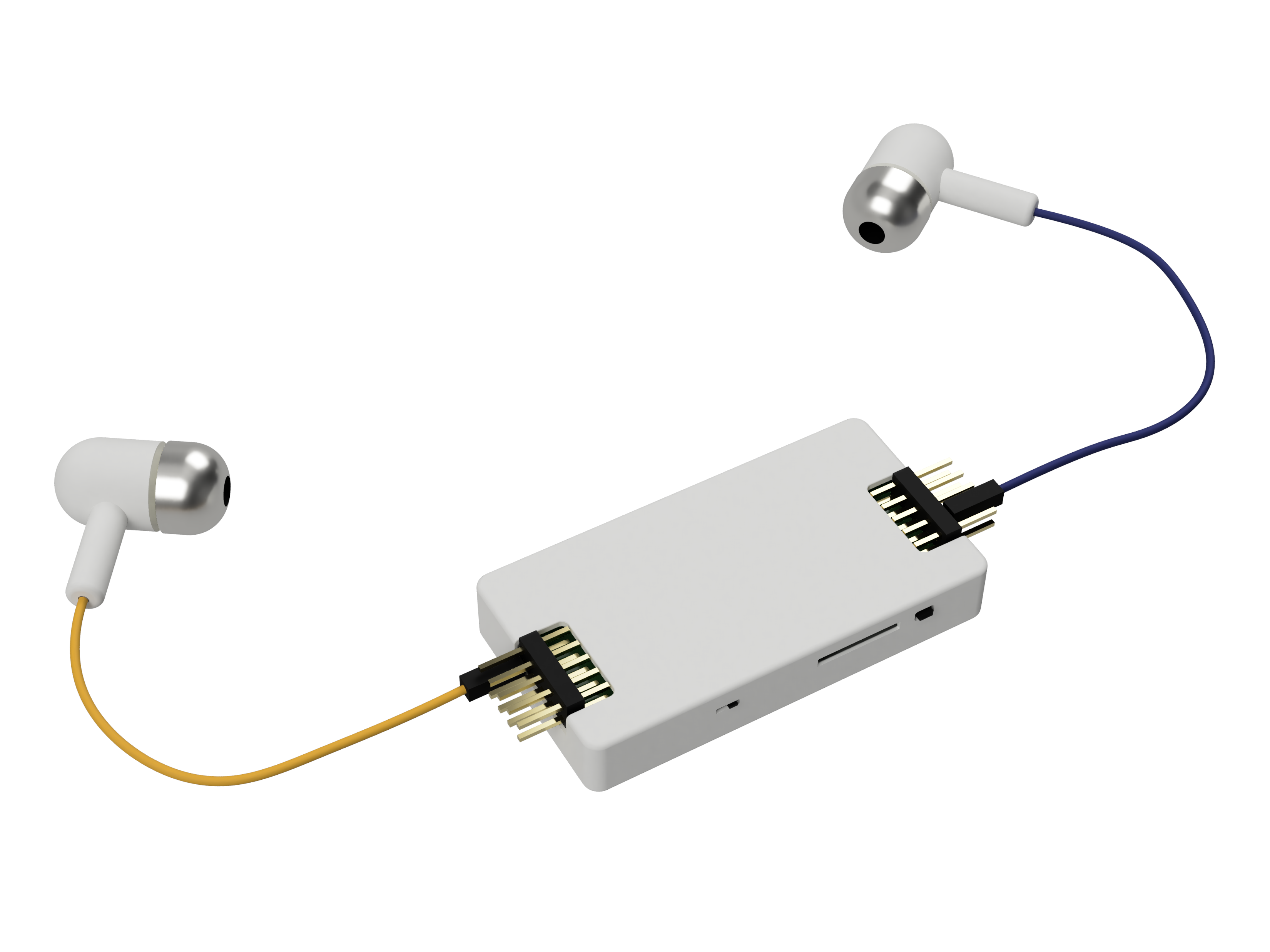
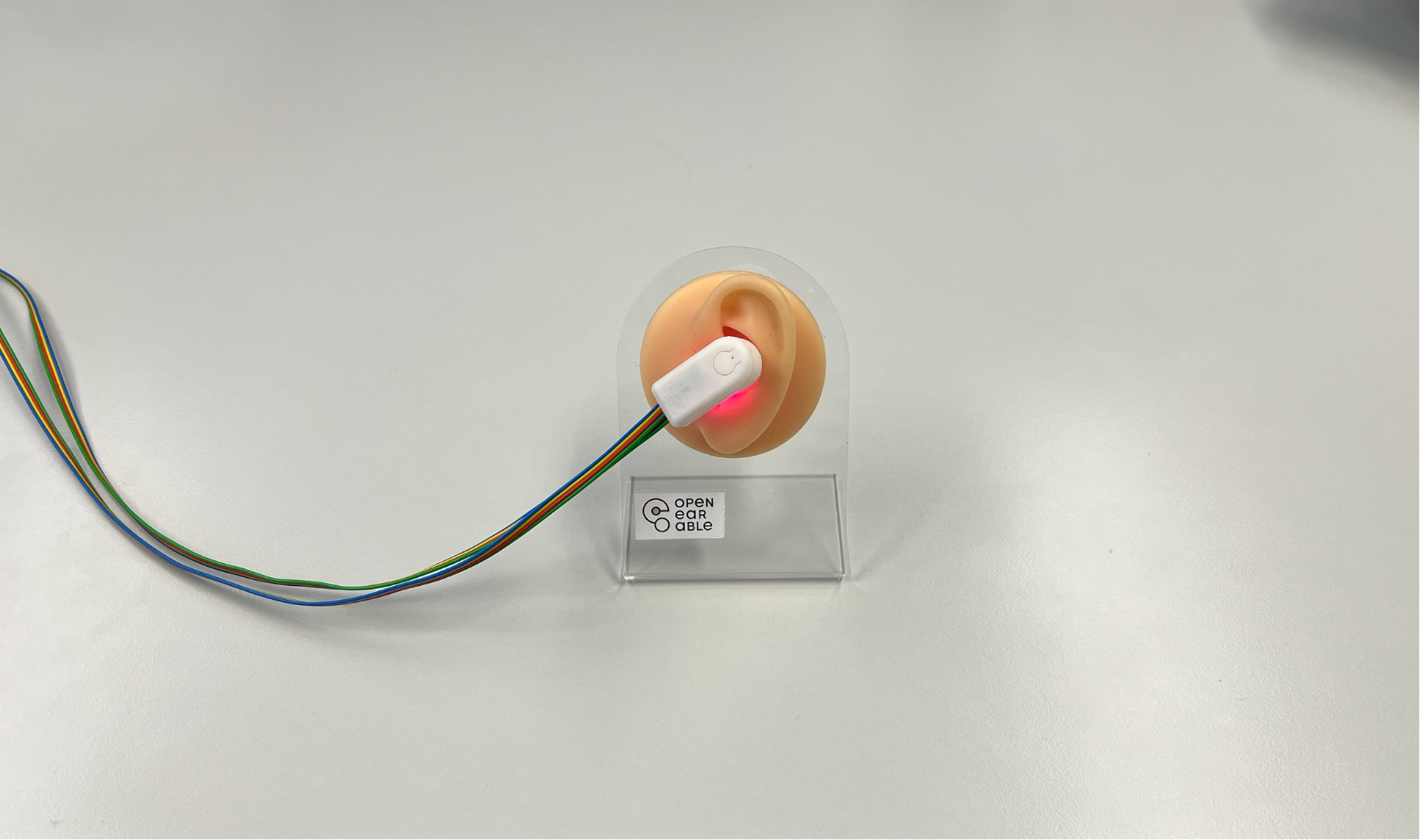









OpenEarable is an open-source, AI-enabled platform for ear-based sensing applications with true wireless audio. The modular and reconfigurable platform is packed with a variety of high-precision sensors, designed for both development and research applications.
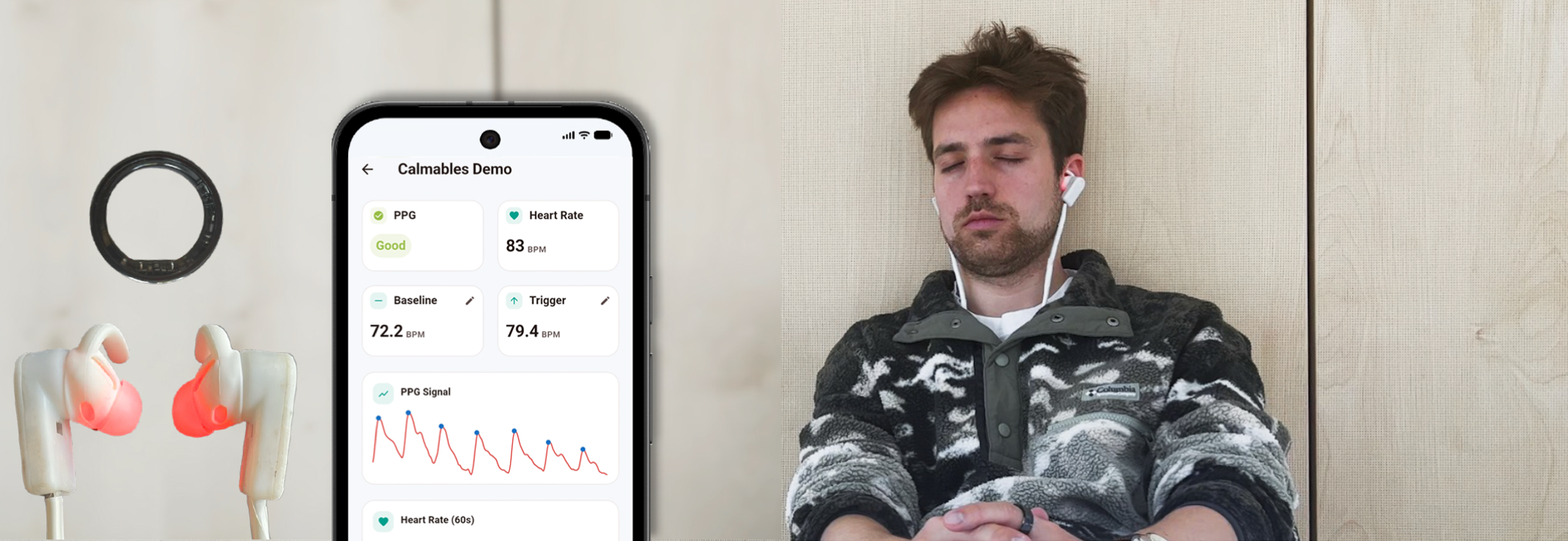
Heatables investigates the use of near-infrared (NIR) and infrared (IR) optical stimulation within the human ear to modulate thermal perception and comfort. The project explores the auditory canal as a novel physiological and perceptual interface for personalized thermal regulation.
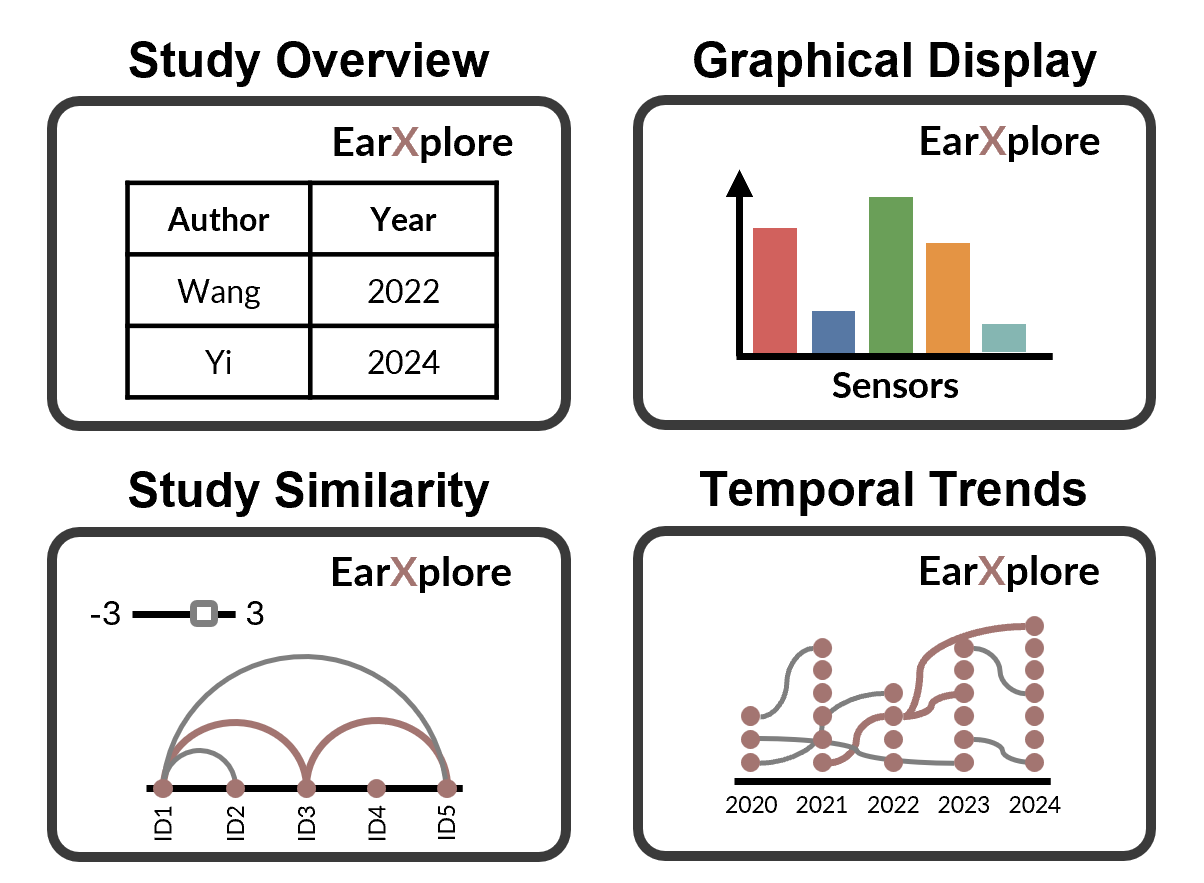
EarXplore is an evolving, interactive database that organizes and visualizes research on earables. It helps the community explore existing studies, uncover trends, and shape the future of earable technology.
edge-ml is an embedded-first machine learning framework designed to help developers build models for microcontrollers faster and more robustly. As a browser-based, end-to-end solution, it simplifies the entire ML pipeline into a few simple steps: recording data, labeling samples, training models, and deploying validated embedded machine learning directly on the edge.
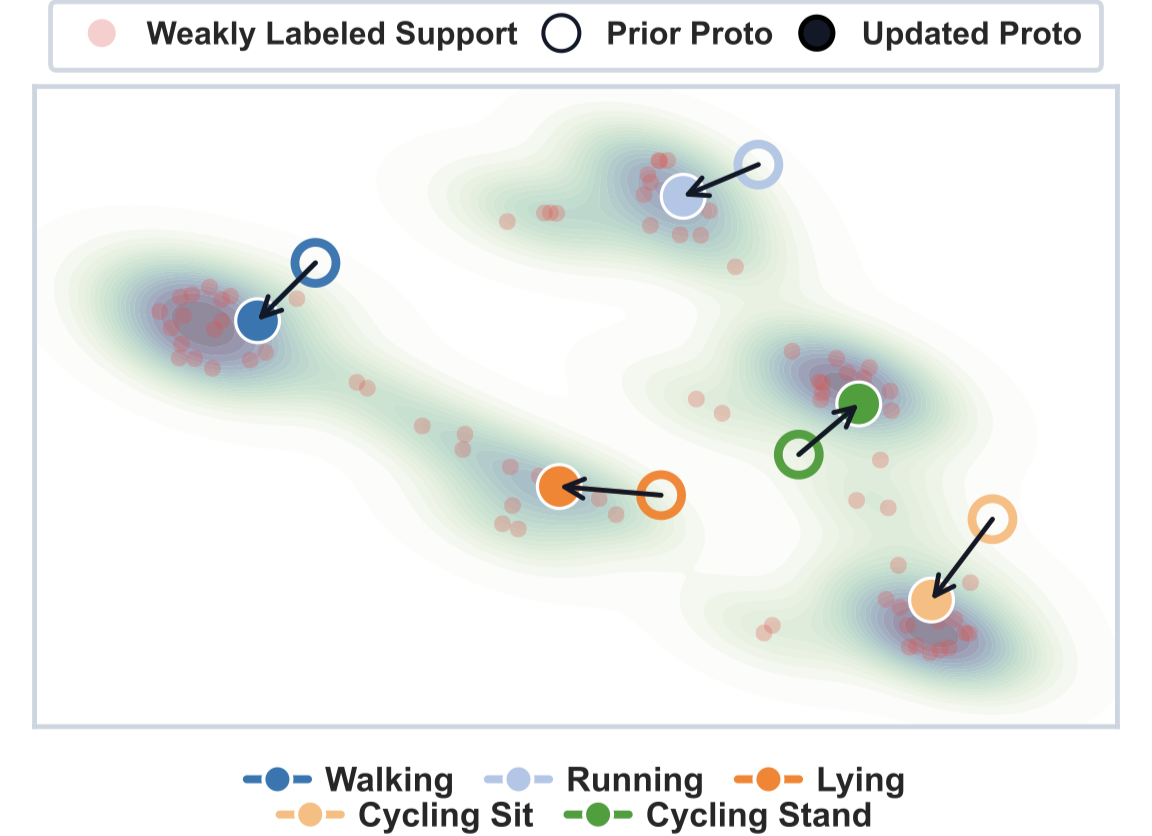
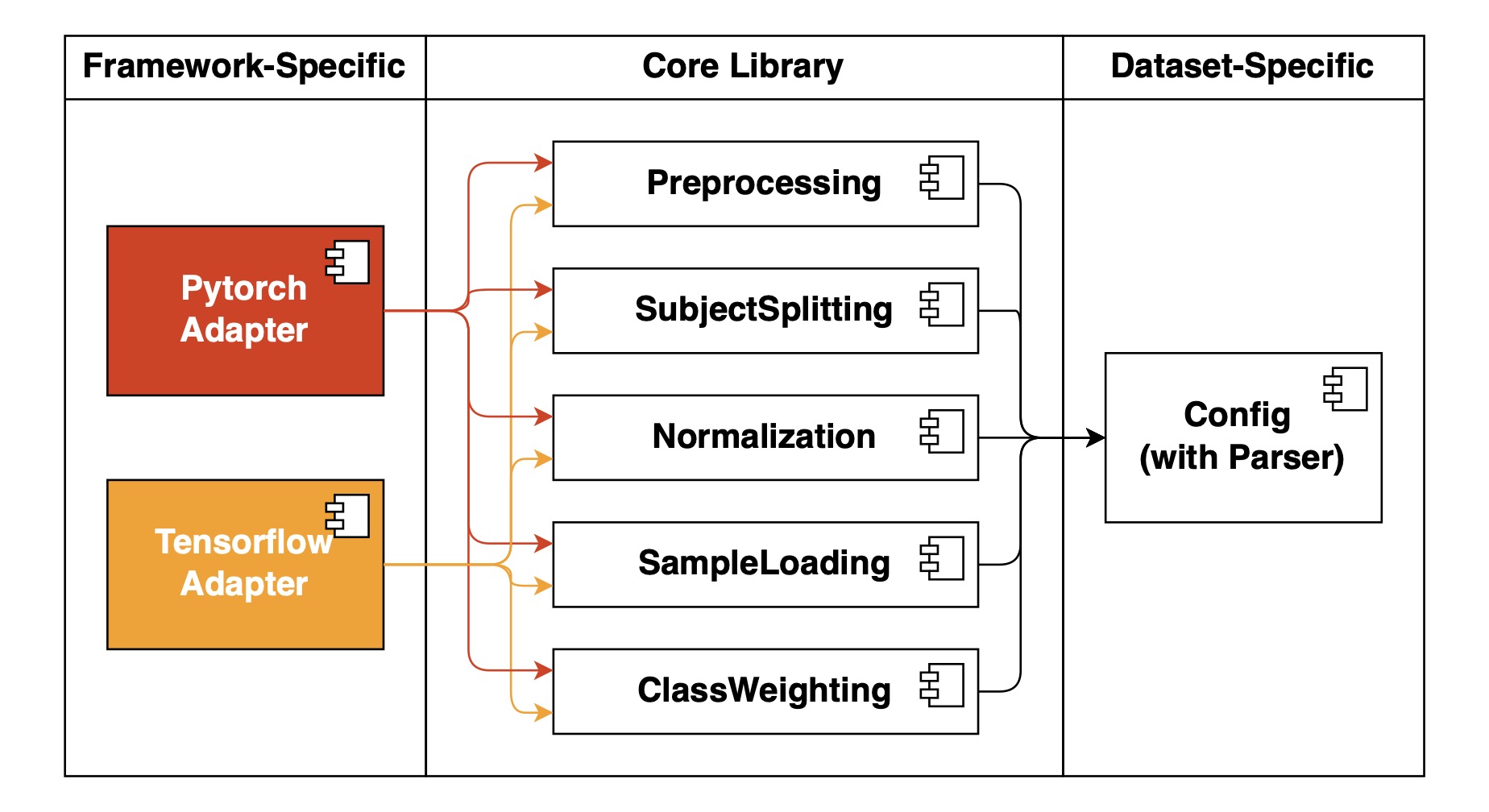
The WHAR Datasets library standardizes formats and preprocessing in Wearable Human Activity Recognition (WHAR) research. It offers a unified, open-source framework with configuration-driven workflows for easier dataset handling and model training. Supporting nine major datasets, library promotes reproducibility, comparability, and efficiency in WHAR research.
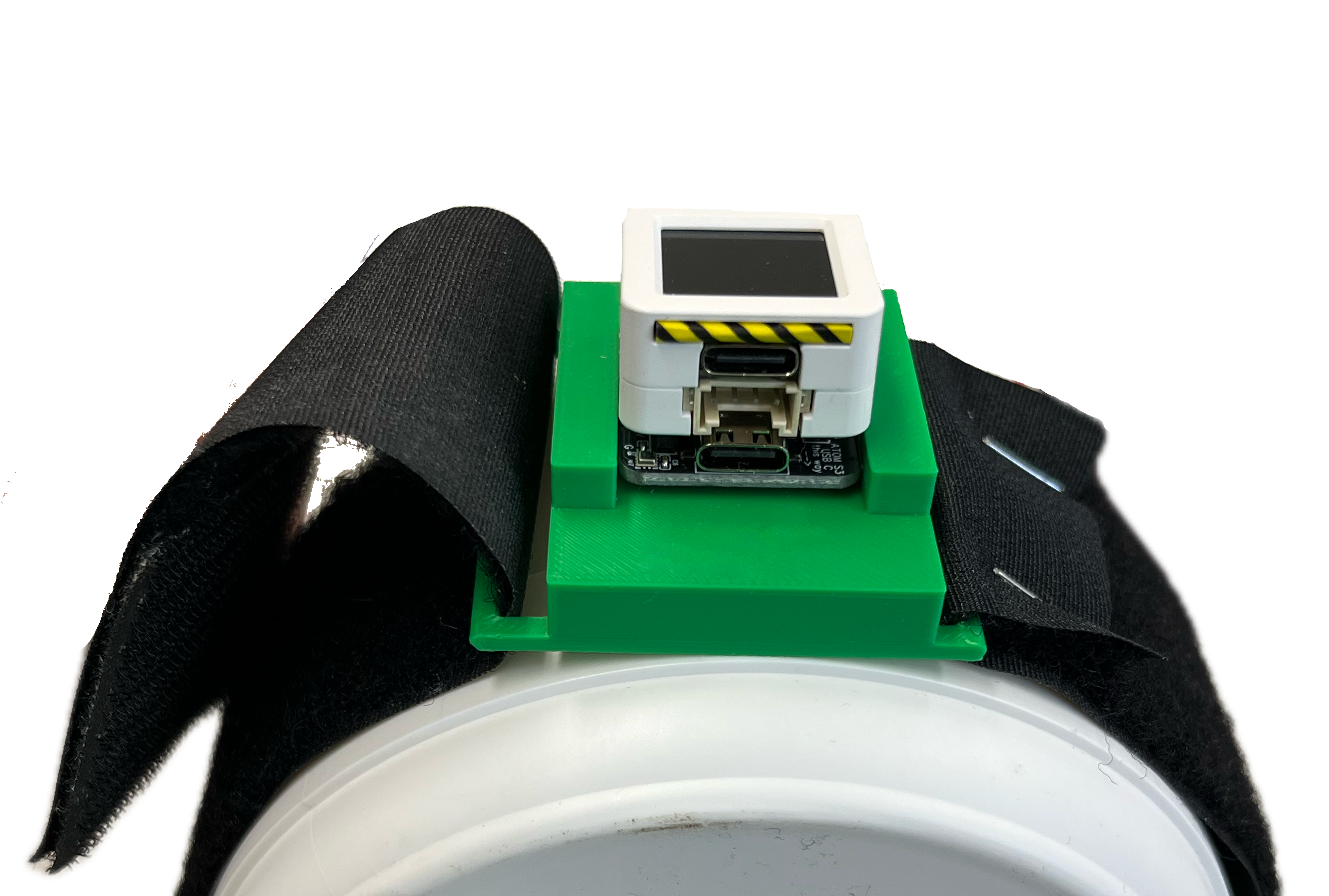
HARNode is an open-source, time-synchronised wearable system that enables scalable, multi-device human activity recognition (HAR) in real-world environments. Each node combines IMU and pressure sensors in a compact, Wi-Fi-connected module for high-precision motion data collection.
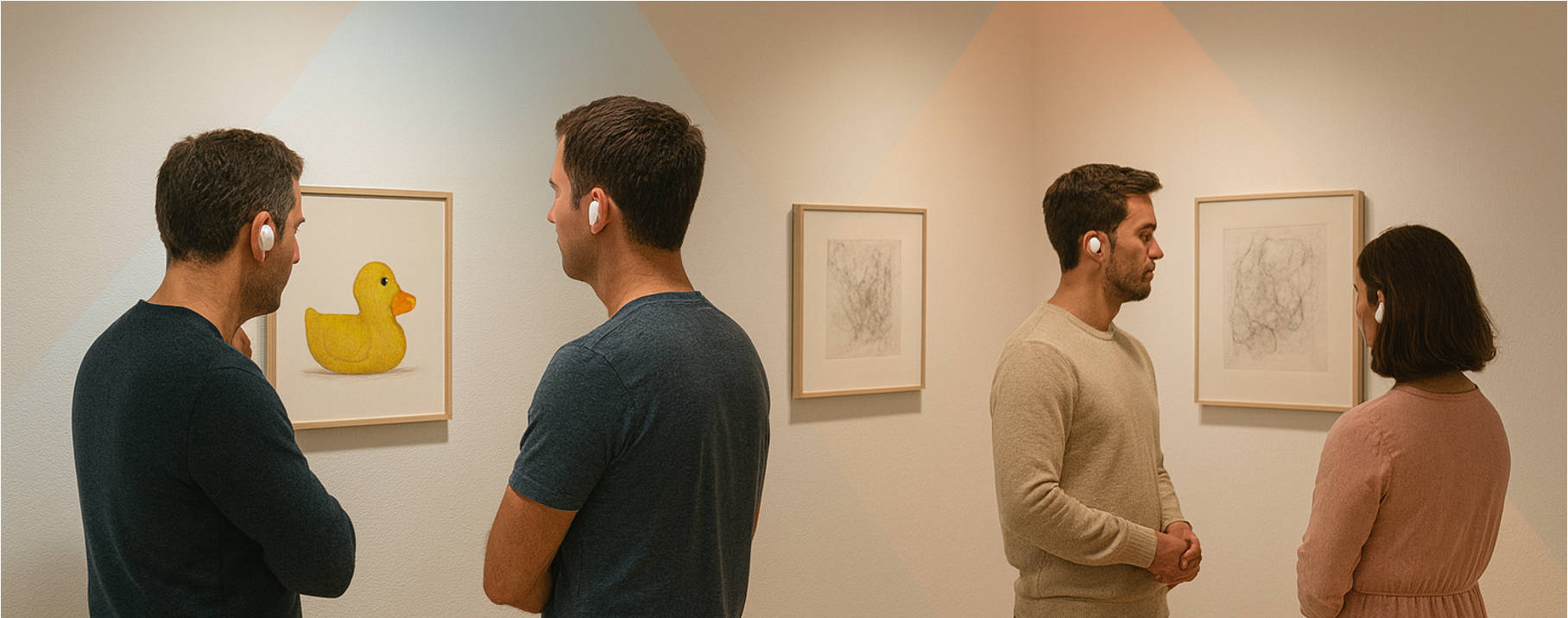
UltrasonicSpheres creates localized ultrasonic audio zones in space, audible only when wearing OpenEarable 2.0. As users move between zones, they automatically hear the corresponding audio — with spatial direction preserved and no sound leaking into the environment. The system enables natural, hands-free, location-based audio experiences using off-the-shelf speakers and open-source earables.
An open-source hardware extension of the OpenEarable 1.3 platform that enables multifunctional biopotential sensing (EEG, EMG, EOG) in the ear, paving the way for new applications in HCI and wearable health.
MicroNAS is a hardware-aware neural architecture search (HW-NAS) framework designed for time series classification on microcontrollers (MCUs). It automatically generates efficient neural networks that meet strict memory and latency constraints, enabling real-time machine learning directly on low-power embedded devices.
HammerHAI is a European initiative led by HLRS and partners that provides secure, scalable AI and HPC resources for industry and research. As part of the EuroHPC “AI Factories,” it makes compliant AI technologies accessible and supports innovation through consulting, training, and ready-to-use tools.
The OpenWearables project is an initiative to advance wearable computing by following open-hardware and open-software principles. It aims to create a research infrastructure and community that makes wearable devices more accessible, extensible, interoperable and impactful.
In the FFLPlus project we aim to us a multimodal generative AI framework for metadata extraction from 2D CAD drawings. It leverages large vision–language models to interpret complex engineering layouts and automatically retrieve structured information, enabling scalable, secure, and efficient data management across manufacturing and construction workflows.
A nationwide research platform providing cutting-edge Big Data infrastructure to foster collaboration between industry and academia, enabling innovative projects in Industry 4.0, smart cities, energy, and medicine.
A premier doctoral school training the next generation of researchers to apply data science and AI to pressing health challenges, from advanced diagnostics to personalized therapies, in collaboration with leading German institutions.
An interdisciplinary graduate school focused on designing adaptive IT systems that improve economic decision-making. The research explores the intersection of human behavior, technology, and institutions.
This project explores mobile hybrid cloud computing — integrating cloud and edge resources to optimize data-intensive mobile applications.
The AR Sensors project merges augmented reality (AR) with sensor visualization, allowing users to view sensor data overlaid in physical space.
This project studies how GPU acceleration and in-memory computing can boost performance for large-scale data analytics.
InstaGuide is a Software Campus project that automates the generation of documentation for configurable and reconfigurable software systems.
AKTIFUNK explores context-sensitive function activation in distributed systems — enabling software components to automatically activate or deactivate based on environmental or contextual factors.
PreTIGA focuses on predictive data analytics and modeling for intelligent environments, integrating real-time sensing and AI-driven prediction.
FRAGMENTS develops a framework for modular HCI design in intelligent environments, simplifying integration of multimodal interaction components.
VDAR studies IT infrastructure and algorithms for decentralized energy markets using distributed control and trading.
This project focuses on safe, live updates of distributed systems without service interruption.
KOORDINATOR is a BMBF-funded project developing an open ecosystem for data-driven, coordinated industrial processes.
Science Bridge Asia fosters scientific collaboration between KIT/TECO and Asian institutions, supporting joint research, student exchange, and innovation projects in pervasive computing and AI.
“Towards a Mobile Cloud” was an EIT ICT Labs project exploring seamless integration of mobile computing and cloud services.
The TECO Envboard is a modular environmental sensing platform designed for rapid prototyping and deployment in research projects.
TIMBUS (Timeless Business Processes and Services) addresses digital preservation of business processes, ensuring that digital services remain executable and verifiable over long periods.
Polytos (Polytope Topologies for Sensor Networks) explores adaptive network topology control for distributed sensor networks.
DiagnOptiMesh focuses on diagnostics and optimization in wireless mesh networks.
Aletheia develops tools for automatic annotation and analysis of sensor data to improve data integrity and usability.
Chosen is a TECO project developing context-aware middleware for sensor networks, enabling adaptive data collection and routing based on environmental and application context.
The LocCom subproject of IT-Ecosystems investigates localized communication in pervasive computing systems, focusing on adaptive, neighborhood-based messaging.
Landmarke is a context-awareness project focusing on the use of landmarks (physical, digital, or conceptual) to improve location-based interaction and navigation in smart environments.
SENSORAUM (Sensor Space) explores interactive spaces enriched with sensor networks and ambient intelligence.
MoSe (Modeling of Sensor Network) aims to improve model-based design and simulation of sensor networks, focusing on performance prediction and deployment planning.
The “Intelligenter Güterwagen” project applies smart-sensing technologies to freight railcars for condition monitoring and logistics optimization.
SenseCast investigates context prediction in wireless sensor networks (WSNs) to dynamically optimize communication parameters like duty cycling and transmission power.
dinam (Distributed Information and Navigation Architecture for Mobile) develops distributed architectures for mobile context and navigation systems, supporting real-time information delivery.
LoCostix is a low-cost sensor platform developed at TECO for scalable and affordable environmental and industrial monitoring.
P2P4Ubicomp explores the use of peer-to-peer (P2P) networking to support distributed ubiquitous computing environments.
RELATE (European FP6 project) focuses on relative positioning and interaction between mobile smart objects.
PHAR explores human activity recognition using wearable and ambient sensors.
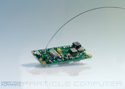
ParticleOS is a lightweight operating system for wireless sensor nodes, providing task scheduling and network communication for embedded sensing.
This project investigates RF signal overlaying as a means of low-cost communication between passive or semi-passive devices.
OSOITE (Open Source Office Information Technology Environment) provides a middleware infrastructure for context-aware office environments.
As part of the DFG Priority Programme “Organic Computing”, the Emergent Radio project studies self-organizing wireless communication systems.
SmartSurroundings is a European IST project creating context-aware environments that sense and react to human presence.
CoBIs develops a platform for collaborative business processes using smart objects that communicate autonomously within supply chains.
The JuBot project (“Stay Young with Robots”) focuses on improving the quality of life for seniors through the use of robotics.
askui brings vision to your code and automates any technology and any use case by automating operating systems instead of applications.
Validaitor is a former research project and is now a start-up being incubated by TECO.
TreuMoDa (TMD) is conceived as an independent, non-profit interface to enable mobility-data from various sources to be made available and utilized by science, industry and society under transparent criteria and in full compliance with data-protection regulations.
HEPTA promotes cooperation between Aristotle University of Thessaloniki (AUTh) and the Karlsruhe Institute of Technology (KIT) in the development of sustainable technologies in the fields of air quality, atmospheric physics, biomass and smart cities.
Most of Europe’s SMEs lag behind in data-driven innovation.
SoftNeuro is a project focused on the development of resource-constrained artificial intelligence for soft robotics and wearable devices.
The TECO Wearable Framework (TWS) is a comprehensive collection of electronic modules, components, materials, embedded software and applications (for user interfaces and data analytics) used in TECO’s wearable research projects.
The Digital Hub SBH is the regional digital-hub initiative for the Schwarzwald-Baar-Heuberg (SBH) region in Baden-Württemberg, Germany.
A small wearable that tracks a person’s breathing during sleep to diagnose sleep apnea — without the need for nasal cannulas.
The CC-KING project (Competence Center for AI Engineering) aims to link state-of-the-art AI research and established engineering disciplines.
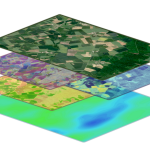
“SmartAQnet” addresses urban air-quality and associated health-related quality-of-life issues by combining existing data sets with a networked mobile measurement strategy.
The project “Lehre-HOCH-Forschung” (teaching meets high-level research) is funded by the German Federal Ministry of Education and Research (BMBF) and aims to establish research-oriented teaching much earlier than traditional university formats.
This is a Software Campus project focused on ambient assisted-living (AAL) technologies for people with disabilities or older adults (visually impaired, elderly) — examining how intelligent environments can preserve user choice and interaction modalities.
RüttelFlug is a wearable framework for haptic feedback on the arm, developed at TECO as part of the TECO Wearable Framework (TWS).
DroneCAS (Drone Collision Avoidance System) is an AI-driven project under EUHubs4Data focusing on improving UAV safety and autonomy.
FreshIndex aims to improve food-supply transparency through IoT, blockchain and data analytics.
ARCTUS (AI-based Remote Condition Tracking for Unitary Systems) focuses on monitoring refrigeration condensing units through distributed sensor data and AI models.
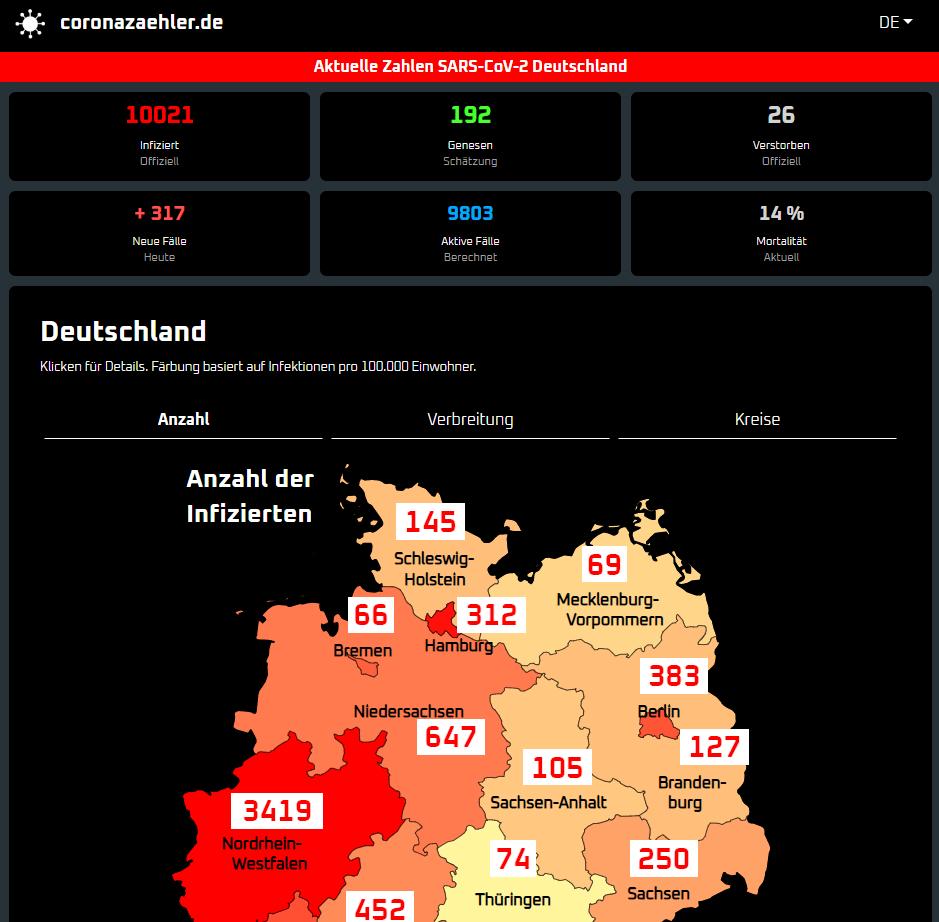
“Coronazähler” (Corona Counter) was a project initiated at TECO during the COVID-19 pandemic to collect, visualise and interpret COVID-19 case numbers in real-time.
AI4CAD is part of FF4EuroHPC, exploring high-performance computing (HPC) and AI for computer-aided design (CAD) optimisation.
Fit2Ear investigates the digitalisation of custom ear-mould manufacturing for hearing aids and wearables.
HelioPas AI is a TECO spin-off that uses satellite and sensor data to optimise agricultural irrigation and soil monitoring.
This project develops algorithms for automatic calibration of heterogeneous IoT sensor networks using AI and self-learning approaches.
The ScaleIT project aims to make information and communication technologies (ICT) scalable and modular for small- and medium-sized enterprises (SMEs) in mechatronics manufacturing.
The VibrAid project explores haptic user interfaces for improving perception and interaction with complex visual data.
ARVis investigates augmented reality (AR) for visualizing process data directly in operational environments.
This project focuses on using historical infrastructure and building data to support energy-efficient renovation planning.
KEESmartHome investigates the balance between comfort, energy efficiency, and automation in intelligent home environments.
FeinPhone explores fine-grained auditory feedback in mobile and wearable computing.
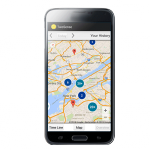
MobileDust is a participatory environmental sensing project focusing on mobile fine-dust monitoring using low-cost sensors integrated with smartphones and citizen-science engagement.
The Smart Air Purifier project integrates air-quality sensing with automated air-filtering systems.
ProximityHat is a wearable sensory augmentation system that provides proximity feedback through pressure or vibration around the head.
AnKSeK develops privacy-preserving methods for the automatic calibration of distributed sensor networks.
MARC² (Mobile Activity Recognition with Crowdsourcing and Cloud) focuses on improving human activity recognition through distributed data collection and cloud-based learning.
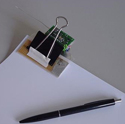
bPart (“Body Part”) is a miniature wearable sensor platform developed at TECO as part of the TECO Wearable Framework.